(Image via
Families and communities across West Africa gather to welcome newborns with heartfelt naming ceremonies filled with joy and a sense of belonging. These events mark an important introduction for the child, uniting relatives and friends in celebration. Beyond the lively public rituals often observed by visitors, many deeply personal practices unfold in small compounds and ancestral shrines, where generations share stories and blessings. By learning about these rarely seen traditions, one can gain a deeper understanding of daily life and the rich blend of present-day celebrations with customs passed down through centuries.
This guide explains the background of naming events, helps you spot subtle rites, and suggests ways to join in with respect. You will obtain practical tips for observing rituals that often happen behind closed doors, and learn how to approach hosts with genuine curiosity. By following these steps, you will develop a deeper appreciation for West Africa’s rich cultural fabric.
Historical Background of West African Naming Ceremonies
West African communities have celebrated naming rites for centuries. Local clans honor the child's lineage, spiritual guardians, and hopes for the future. In many regions, ancestors actively participate: families believe spirits guide the name choice and bless the newborn’s path.
Colonial influences and religious changes have shaped these events over time. Some villages mix Islamic or Christian prayers with native drumming sequences. Yet beneath this blend, core elements remain: libations to earth deities, symbolic offerings, and songs passed down through generations.
Revealing Hidden Rituals
- Early Morning Libations: Before sunrise, elders pour water or palm wine at sacred spots. They ask spirits to protect the child. If you’re invited, stand quietly and hold your glass low.
- Whispered Name-Calling: In private rooms, grandmothers murmur the baby’s full name three times. This soft chant seals the child’s identity. You can admire this practice from the doorway, framing it as a moment of shared wonder.
- Traditional Scarification Patterns: In certain areas, subtle markings appear on the infant’s skin. Those designs connect the child to a specific clan or totem. Detailed carving uses natural pigments. Observers receive a brief tutorial on their meaning.
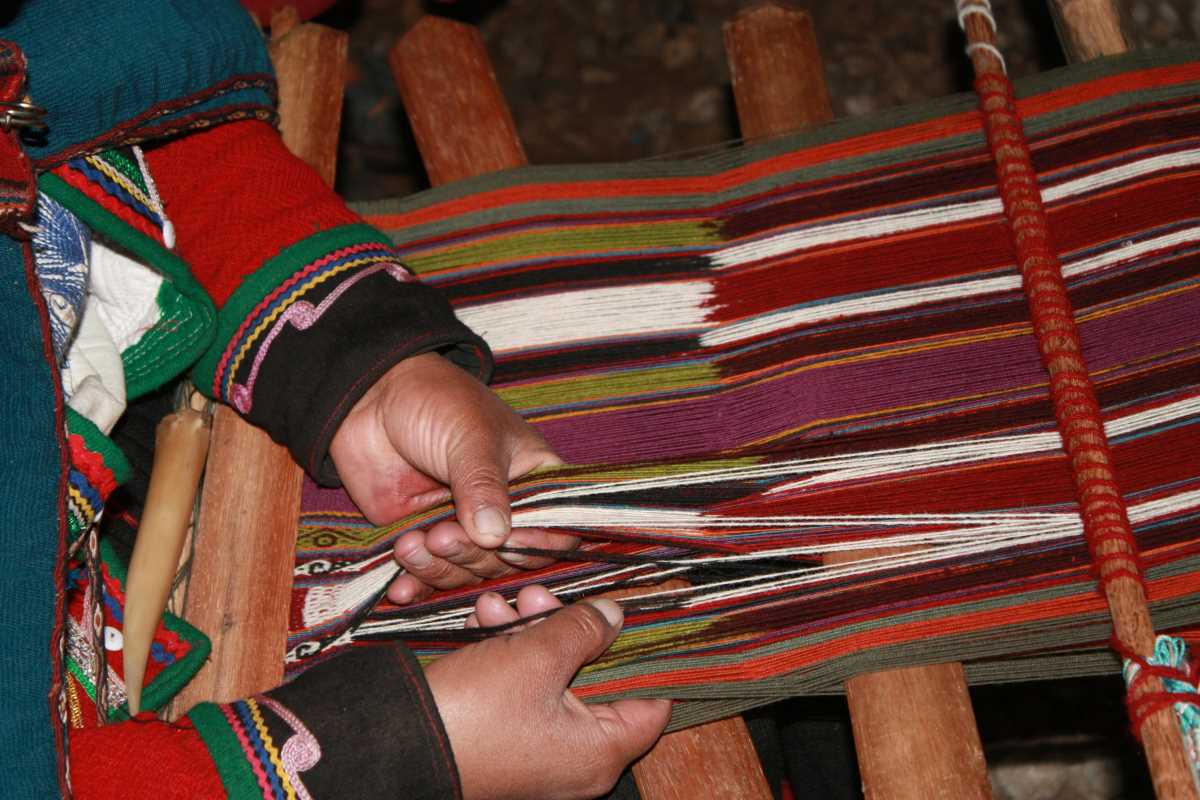
- Ancient Cloth Wrapping: The baby wraps in special fabric adorned with symbols. Each pattern tells an origin story or recalls notable ancestors. Guests often offer small pieces of cloth for communal weaving.
How to Observe and Join Respectfully
- Ask Permission First: Approach the host family and share your interest in hidden customs. Talk sincerely, showing you value their heritage. Wait for them to suggest how you can watch or assist.
- Dress Conservatively: Bright colors work well, but cover shoulders and knees. In some communities, wearing white signifies purity; in others, it invites spiritual presence. Ask about local preferences before packing.
- Follow Ceremony Flow: Let elders move at their own pace. If someone leads a chant at the shrine, remain silent. Offer your support with simple tasks: holding a torch or passing beads when asked.
- Handle Ritual Objects Carefully: Items like ancestral amulets deserve careful attention. When permitted, hold them with both hands. Place them back on the altar exactly where you found them.
- Express Gratitude: After each private rite, share a heartfelt “thank you” in the local language or a friendly tone. A small token—like a handwritten note—goes a long way.
Local Perspectives and Oral Traditions
Many West African villages keep traditions alive through oral storytelling. Griots, performance poets in places like Mali and Senegal, recite genealogies and local legends. Their lively accounts often link naming rites to heroic ancestors or natural wonders.
Attending a storytelling session before or after the ceremony enriches your experience. You will start to see connections between mythic tales and the symbols used in the naming ceremony.
Planning Your Visit: Practical Advice
Select your timing carefully. Naming ceremonies usually happen on the eighth or twelfth day after birth, but schedules vary by community. Confirm details with a local guide who understands regional calendars and family customs.
Book accommodation near community centers rather than tourist hotspots. Staying close allows you to join spontaneous gatherings around evening fires. Always ask if it is appropriate to bring gifts: livestock, handcrafted cloth, or small items for children remain popular options.
Respect, listen carefully, and observe patiently during West African naming ceremonies to create meaningful memories. Embrace each moment and the customs will stay with you long after the event.


.jpg)