Automakers continue to advance electric vehicles, bringing futuristic concepts onto roads across the world. Designers balance the need for strong performance, comfortable interiors, cutting-edge technology, and environmentally friendly materials while ensuring cars remain enjoyable to drive. Instead of creating vehicles that seem cold or experimental, they focus on blending appealing style with clever engineering. The seven features explored here showcase how brands combine sleek aesthetics and smart innovations beneath the surface, making electric vehicles both practical and exciting for everyday use. Each element reflects a commitment to thoughtful design and modern convenience, showing how the latest models fit seamlessly into daily life.
We’ll dive into each design choice, pointing out how engineers and stylists team up to give drivers more range, sharper handling, and cleaner builds. Expect details you can spot on the road and tips you can share with friends hunting for an EV that stands out.
Battery and Powertrain Innovations
Battery packs no longer sit as bulky blocks under the floor. Engineers shape cells to fill more space, cut weight, and keep centers of gravity low. At the same time, they simplify powertrains by trimming moving parts to boost reliability. Designers take these improvements and carve sleek underbody panels that hide tech and improve airflow.
- Modular battery units: Swap in high-capacity cells without redesigning the entire pack, allowing brands to tweak range or performance at model refresh.
- Integrated motor assemblies: Combine motor and gearbox in a single housing, reducing size and boosting efficiency by up to 15%.
- Thermal management channels: Route coolant through the pack precisely, maintaining stable temperatures during hot summers or cold winters.
- On-demand torque distribution: Use software to shift power between wheels, sharpening cornering without extra mechanical linkages.
Designers paint these elements into bodywork that screams speed even at a standstill. That hidden tech underlines why new EVs look low and wide, with smooth side skirts masking a complex heart.
Advanced Aerodynamics for Efficiency
Shaping airflow around a car can reduce energy consumption significantly. Think of a nose that splits wind smoothly, side mirrors that tuck closer, and rear diffusers that guide air without drag. Engineers start focusing on airflow early in clay models and refine their designs through wind-tunnel tests, where every curve counts.
Some brands use active flaps that open or close based on speed or battery temperature. At low speeds, they help cool brakes or the pack. On the highway, they seal shut and extend range. This adaptability allows a vehicle to look sleek while responding to different driving conditions.
Smart Interior and User Interface
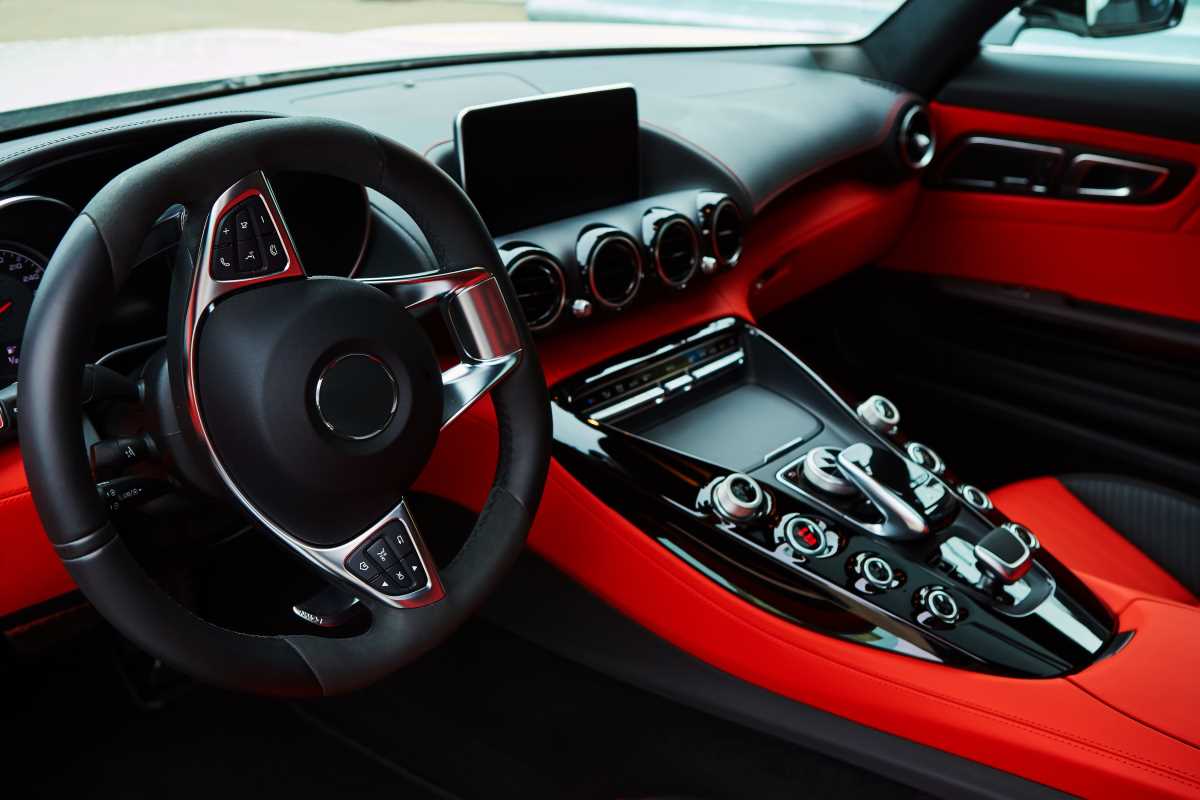
Cabin designs now draw inspiration from phones and tablets, blending digital screens with tactile controls in smart ways. Drivers want intuitive systems that don’t distract and comfortable spaces they can personalize. Ergonomists carefully position buttons and set screen angles to match common hand positions.
- Customizable display layouts: Let drivers hide or highlight navigation, energy flow, or media with a few taps. Designers test menus with real drivers to prevent buried settings.
- Haptic touchpoints: Use gentle vibrations in buttons or panels to confirm actions without taking eyes off the road.
- Adaptive lighting schemes: Match LED brightness and color to day or night driving, reducing eye strain and creating a relaxing atmosphere.
- Modular seating modules: Swap standard seats for sport shells or lounge setups in certain models, creating cargo space or rear-seat workstations.
Quick adjustments like hiding seldom-used controls behind a touchscreen keep the dash clean. At the same time, designers keep key knobs within thumb reach, blending a tactile feel with the flexibility of digital controls.
Sustainable and Lightweight Materials
Reducing weight helps extend range and lowers resource use during manufacturing. Engineers now turn to bio-based composites, recycled plastics, and aluminum alloys that cut pounds without sacrificing strength. By mixing these materials strategically, car bodies stay rigid yet lightweight.
Interior panels often use plant fibers bonded with resins, creating textured surfaces that mimic natural grain. Some firms coat dashboards in vegan leather, while others build door trims from reclaimed wood scraps. Designers balance these eco-friendly materials with durability standards.
Autonomous Driving Integration
Designers now plan rooflines and glass areas to accommodate LiDAR, radar, and camera arrays. They blend sensors seamlessly into the design to avoid clumsy roof-mounted pods. Some roofs embed sensors behind tinted glass to keep lines smooth.
Inside, heads-up displays project turn-by-turn directions and alerts onto the windshield, helping drivers stay focused. Seats and steering systems shift subtly when auto-steer activates, reminding occupants to keep hands near the wheel. Designers test these cues until they feel natural, not jarring or too subtle.
Software also syncs with mobile apps to prepare interiors before drivers step in. Pre-cool settings on hot days or pre-warm the cabin when frost hits. This integration blurs the line between home comfort and driving excitement.
The seven features improve electric vehicles by making them more attractive, easier to use, and eco-friendly. These design changes enhance daily driving experiences and vehicle appeal.