Distinctive details on a luxury vehicle often reveal themselves when you pay attention to craftsmanship and design. As you examine the gentle lines, the choice of finishes, and the integration of advanced features, you start to identify the signature elements that set each automaker apart. Noticing these refined touches—such as tailored upholstery, custom lighting, or innovative controls—can turn an ordinary inspection into a rewarding experience. Over time, your eye for these subtle cues sharpens, making it easier to recognize what elevates a luxury car above the rest. With every close look, you gain a deeper appreciation for the artistry behind each model.
Smart observers notice standout design moves before they even open the door. From LED light signatures to cabin layouts that imitate first-class airline seating, every detail combines form and function. Let’s explore how to analyze these elements so you can identify high-end design moves on any road.
How Modern Luxury Car Design Has Changed
Luxury car design now emphasizes sleek minimalism over ornate decorations. Brands once added chrome and wood accents to impress buyers. Today, they combine clean lines with advanced technology touches. This change results from a desire for eco-friendly materials and digital interfaces that match smartphone experiences.
As consumers' tastes change, designers began applying architecture principles to cabins, considering human scale and comfort. They took color palettes from modern interiors and focused on touchpoints—like steering wheels and door handles—to highlight craftsmanship. This shift led automakers to rethink cabin layouts as comfortable living spaces on wheels.
Unique Exterior Design Features
- Grille Shape and Texture: Examine patterns like the diamond mesh on Mercedes-Benz models or the hexagonal grilles on select Audi sedans. Their shapes often act as quick brand identifiers.
- Lighting Signatures: Look for boomerang-shaped daytime running lights or segmented LED stripes that give a recognizable face at night.
- Body Sculpting: Notice how fenders flare over wheels on sporty SUVs versus smooth, flowing panels on grand tourers.
- Wheel Design: High-quality wheels often feature turbine-inspired spokes or detailed multi-piece assemblies that suggest advanced engineering.
- Color and Finish: Matte and satin paints or two-tone color schemes indicate bespoke programs offered by luxury brands.
Interior Features That Define Luxury
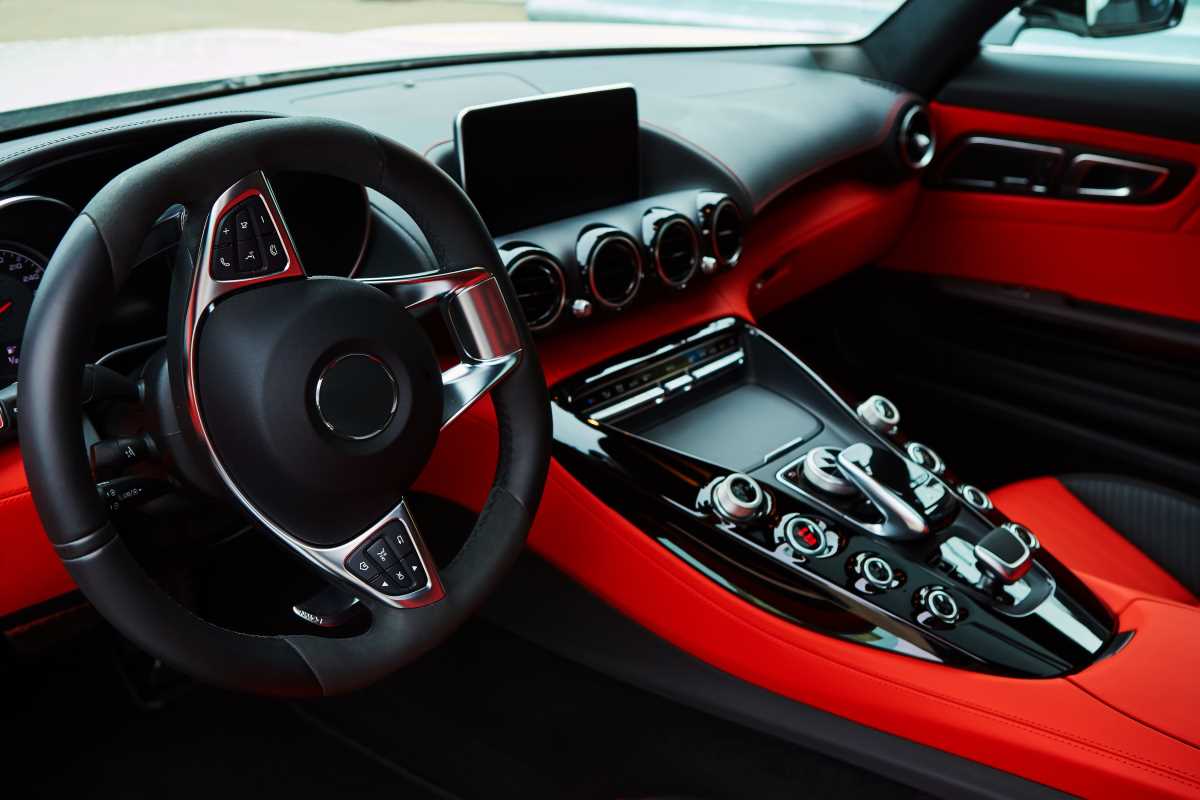
Enter a premium cabin and you will find a mix of textures inviting touch: open-pore woods, handcrafted leather and metal inlays that align seamlessly with trim lines. Each brand chooses materials to tell a story—heritage leather from Italy, brushed aluminum from aerospace suppliers or eco-friendly fabrics made from recycled fibers.
Seats often take center stage. Look for seats that conform to body contours, with multiple air chambers and massage functions. Brands compete by offering spacious layouts that give rear passengers room to stretch, along with refrigerated compartments or personalized lighting zones to create a calming atmosphere.
Tech and Functional Features
- Digital Clusters and Infotainment: Luxury car makers install curved OLED screens that combine digital gauges with central displays. You’ll see floating panels or glass-covered cockpits that resemble premium smartphones.
- Gesture Controls: Some brands allow you to swipe or wave your hand to adjust volume, navigate menus or open the sunroof—without pressing any button.
- Advanced Driver-Assistance Systems (ADAS): Look for grille-mounted radar units hidden behind patterned meshes, roofline cameras tucked into rear spoilers, or laser scanners disguised in windshield trims.
- Active Aerodynamics: Check for hidden flaps in bumpers and rear spoilers that move to optimize airflow at different speeds.
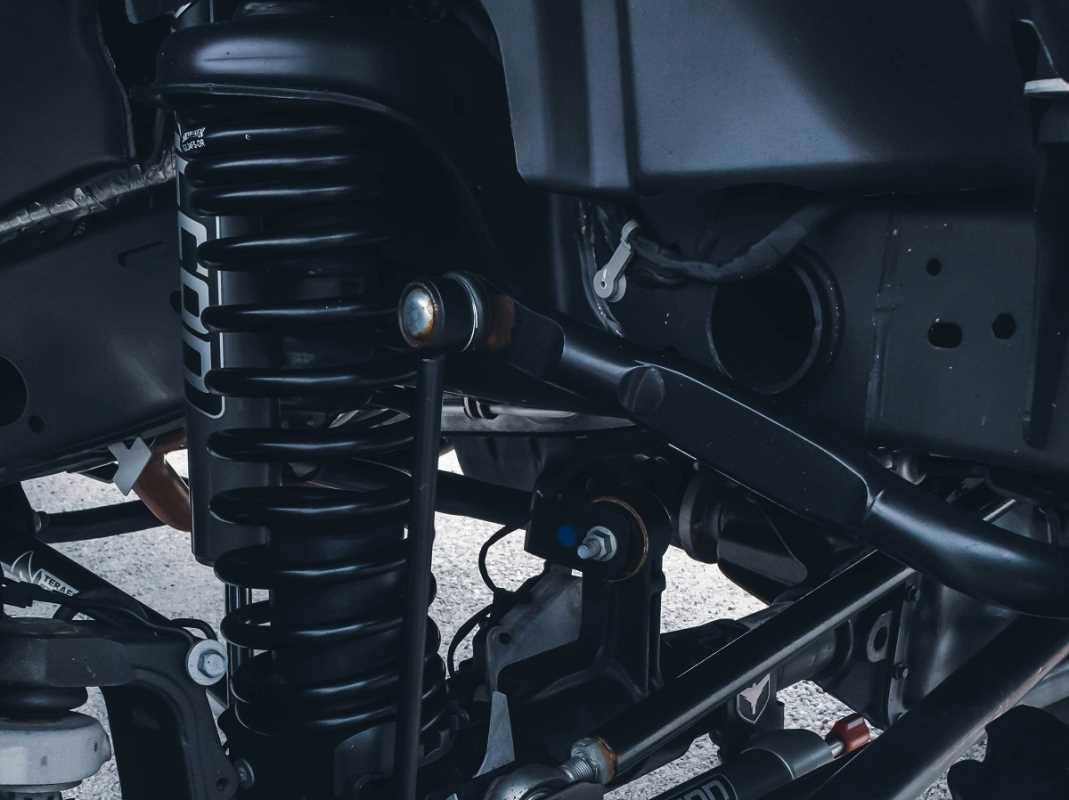
- Comfort Technology: Adaptive suspension systems that analyze road surfaces with cameras, then stiffen or soften dampers in real time to ensure a smooth ride.
By paying attention to how screens curve around the driver and how tactile feedback clicks under your fingertip, you decode the quiet language of premium cabins. Gesture controls and hidden ADAS hardware reveal where cutting-edge technology intersects with daily comfort.
How to Recognize a Brand’s Identity with Design Clues
Signature Elements often serve as a fingerprint for each manufacturer. Think of the shape of a C-pillar, the cut of a side window or a branded monogram subtly engraved into door sills.
Examine wheel center caps for logos, and look at brake calipers painted in brand colors. Sometimes you will see a grille bar pattern that references vintage designs, or a hidden emblem under sunlight-reactive finishes. These details create a cohesive visual story that links new models to a brand’s history.
Inspect cabin details too. Some makers embed logo motifs into speaker grilles, stitch emblem outlines into seat upholstery or place a metal badge along the dashboard seam. Recognizing these patterns helps you identify the exact luxury automaker even from across the parking lot.
Training your eye for these small details pays off. You will scan showrooms, driveway lineups and outdoor car meets more confidently. Every curve, shade and digital feature becomes a piece of the larger puzzle of automotive luxury design.
Next time you drive, observe the unique features of premium brands. You'll recognize their cues without needing a manual.