 (Image via
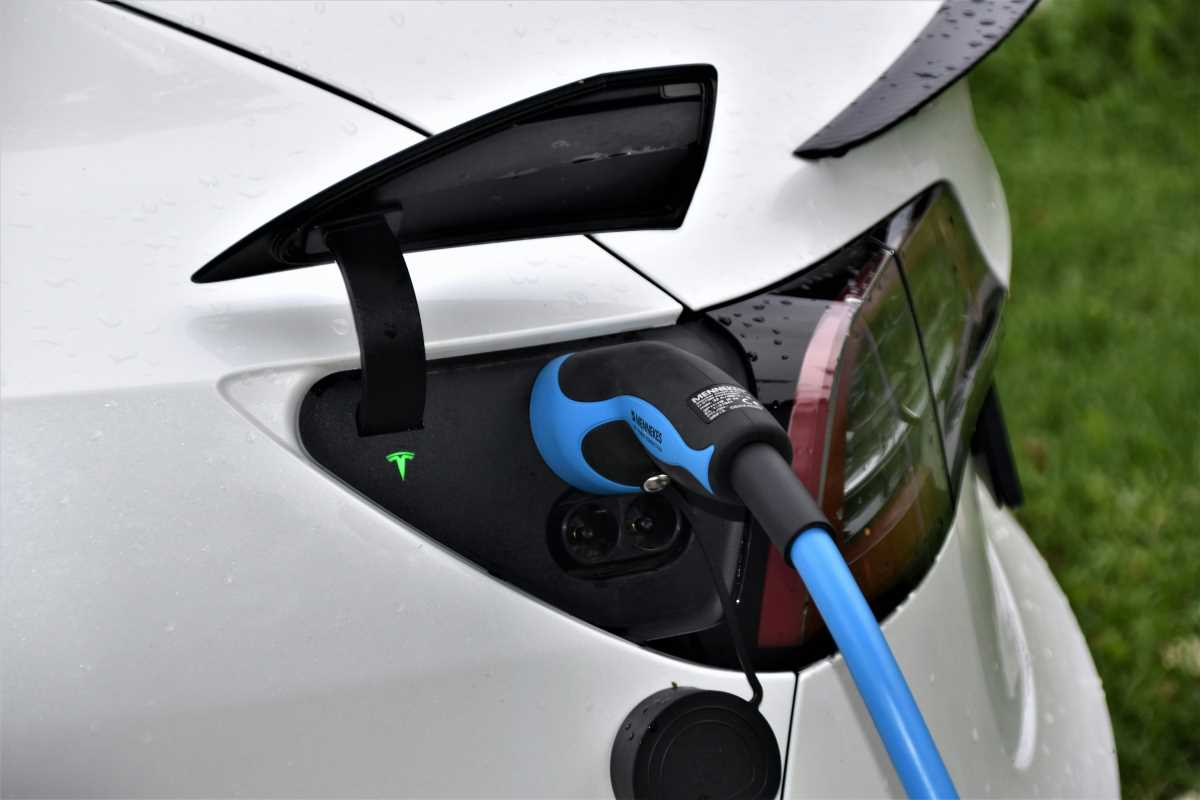
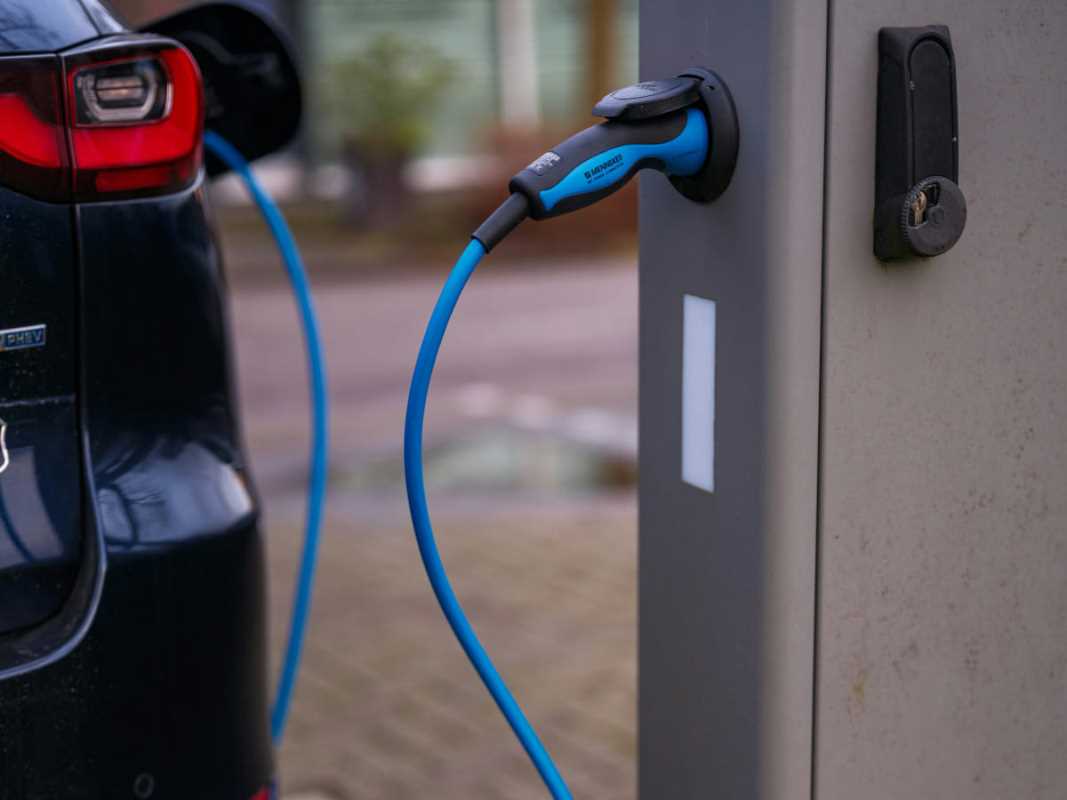
Interest in electric vehicles continues to grow, leading many to wonder about the realities of charging them. Questions often arise about whether charging takes too long, if charging stations are difficult to find, or if the costs are too high. These concerns have given rise to several myths about EV charging. People who work with electric vehicles every day have examined these common misunderstandings and are ready to offer clear, straightforward information. By learning what really happens when you charge an electric vehicle, you can understand the process and feel more confident about what to expect, whether you own an EV or are thinking about making the switch.
The discussion around electric vehicle charging can sometimes be muddled by outdated ideas and misinformation. This article dives into some common claims and explains why many of these beliefs simply aren’t true.
Common Misconceptions About Electric Vehicle Charging
Here are several myths that frequently pop up when it comes to charging electric vehicles:
- Myth 1: Charging is too slow for daily use.
- Myth 2: Charging stations are too hard to find.
- Myth 3: Charging damages the battery over time.
- Myth 4: Home charging is complicated and expensive.
- Myth 5: Public charging is unsafe or unreliable.
Each of these points has a kernel of truth that can mislead drivers if they accept it without question. Breaking down these ideas can help anyone make a smart choice in adopting electric vehicle technology.
The insights shared by experts give drivers a clearer picture of the efforts and improvements being made in technology and infrastructure for EV charging.
Myth 1: Charging Is Too Slow for Daily Use
The idea that it takes forever to charge an electric vehicle is starting to sound like a relic from the past. With advances in battery technology and rapid charging options, many EVs can reach a high charge level in under 30 minutes. People often worry that the time spent charging will disrupt a busy schedule, but the latest systems cut this time down significantly.
Many drivers now plan their day around charging sessions that conveniently happen during routine activities like work or a quick coffee break. The convenience of home charging adds another layer of simplicity, as most vehicles finish charging overnight. When you realize that charging an EV can be scheduled easily, the myth that charging is too slow becomes less convincing.
Myth 2: Charging Stations Are Too Hard to Find
Finding a charging station may not be as difficult as many think. Public charging infrastructure has expanded rapidly, and an increasing number of stations have been installed in urban areas. The availability issue is being addressed one city at a time.
In many regions, apps and websites now provide real-time information on charging locations. This reassures EV drivers that help is nearby when they need it most. The improved network clearly shows a trend of greater accessibility.
Here are some key points that highlight the reality of charging station availability:
- Many popular navigation apps now include EV charging station data.
- Local governments actively invest in charging infrastructure.
- Partnerships between charging companies and retail centers make stops easier.
This list demonstrates that the idea of charging stations being scarce doesn't hold up when you look at the numbers and investments involved.
Myth 3: Charging Damages the Battery
Some worry that frequent charging could harm the battery in an electric vehicle. In reality, modern battery management systems work diligently to protect battery health. These systems monitor temperature and charging speed to keep batteries in good condition over many years.
Following proper charging habits, when done correctly, helps extend battery life instead of shortening it. Experts emphasize that using smart charging techniques and controlling the charging speed can actually benefit the battery.
If you take good care of your EV with proper charging habits, you protect the battery and improve your vehicle’s performance. Regular, controlled charging is essential, not irregular or careless use of the technology.
This understanding reinforces the idea that smart management, not avoiding charging altogether, is the key to long-lasting battery performance.
Myth 4: Home Charging Is Complicated and Expensive
Home charging might sound like a technical challenge, but the reality is more straightforward. Setting up a home charging station has become an easy process, and many drivers find it to be one of the most convenient ways to keep their EV ready. All it takes is some planning and a quick chat with a local electrician.
Many companies offer packages that include installation, helping buyers move quickly from purchase to charging. Prices are competitive and often more affordable than frequent trips to a gas station, especially considering the overall savings in maintenance and energy costs.
The ease of home charging reduces the need to visit public charging stations often. It also allows you to recharge your vehicle comfortably at home, making every morning feel like a fresh start. This shift toward comfort and saving money has made home charging a popular choice for many.
Advances in charger technology and ongoing support from local installers make the process even smoother and more user-friendly than it seemed a few years ago.
Myth 5: Public Charging Is Unsafe or Unreliable
Some people worry about safety and dependability when it comes to public charging stations, but real-world experience paints a different picture. Charging stations undergo regular inspections and updates to meet strict safety standards. Modern equipment features surge protection and emergency shutdown options that protect both the vehicle and user.
Many drivers report positive experiences with public charging, praising its dependability and convenience during long trips or when away from home. The ongoing improvements in technology mean that the risks are minimal compared to the benefits for those who rely on public chargers while traveling.
Additionally, many services provide 24/7 support in case any issues happen during a charge. This reliability builds user trust and shows that public charging has improved significantly from earlier concerns.
The durable design and continuous maintenance of these systems give drivers confidence to take long journeys without worrying about technical problems. With fewer risks than some imagine, public charging becomes a safe and efficient part of adopting electric vehicles.
Debunking Electric Vehicle Charging Myths
Modern technology and real-world experience have shown that many concerns about EV charging are outdated. What once seemed like major obstacles are now easy to manage with basic planning and accurate information. By understanding the facts, charging becomes simpler, making the advantages of electric vehicles easier to enjoy with confidence.