 (Image source: Gemini)
 Reliability is often talked about as if it’s just a binary thing. Either the car starts or it doesn’t. But in 2026, the definition has shifted. It’s no longer just about a piston shooting through the hood. It’s about the software that freezes your backup camera, the sensor that disables your cruise control, and the "over-the-air" update that goes sideways. When we talk about the total cost of ownership, reliability is the heavy hitter. It’s the difference between a car that costs you $4,000 over a decade and one that drains $19,000 from your bank account. If you want to stay satisfied with your ride, you have to look past the shiny paint and understand what’s happening under the metal.
Reliability vs. Not Breaking Down
When you buy a car, you’re not just buying a tool. You’re entering a long-term financial relationship. Reliability is the foundation of that relationship. If the car is constantly in the shop, the "total cost of ownership" (TCO) skyrockets. You aren't just paying for parts and labor. You’re paying for Ubers, rental cars, and the massive amount of stress that comes with an unpredictable schedule.
High reliability directly correlates with how much you’ll enjoy the car five years down the road. Think about it. Are you going to love those heated leather seats if the car won't leave the driveway? Probably not. True reliability means the vehicle performs its intended function without unscheduled intervention. It means your "maintenance" stays routine (oil, tires, filters) rather than becoming "repair" (transmissions, head gaskets, screens).
What Makes a Car Reliable?
Why do some brands consistently crush it while others struggle? It usually comes down to engineering philosophy. Take Toyota and Subaru, like. These brands often top the charts because they tend to favor "mature technology" over the latest, unproven gadgets.¹ They refine a system for a decade before moving on.
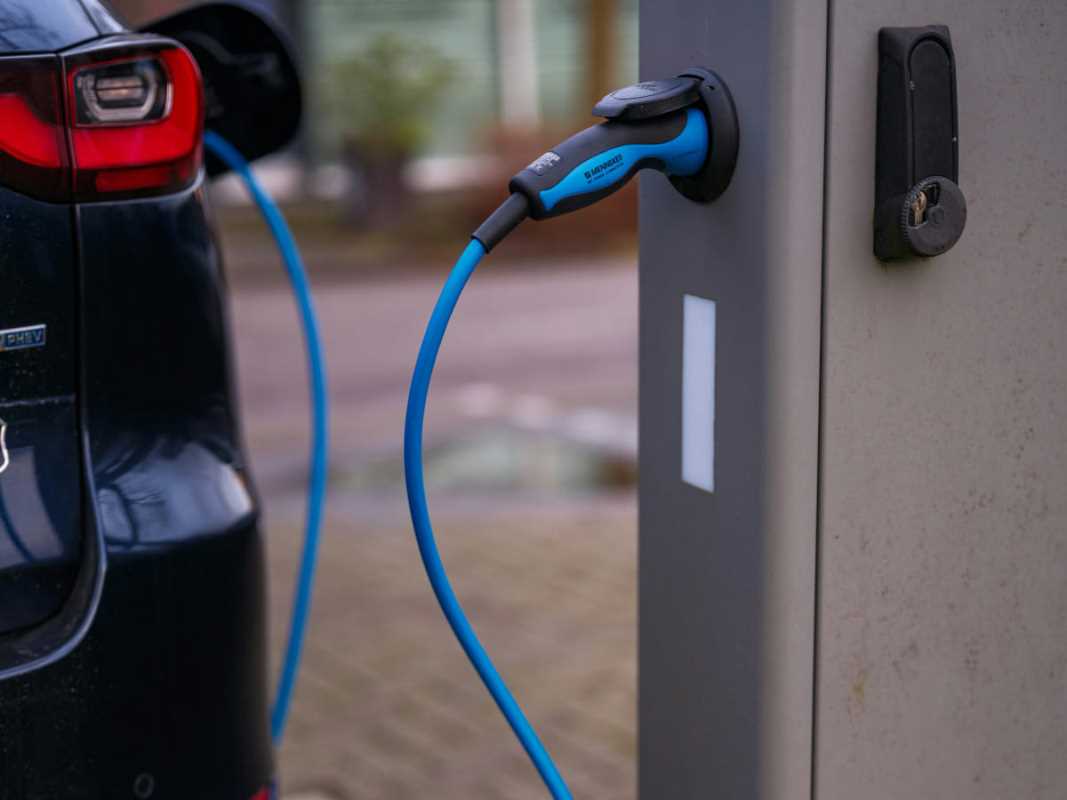
- Powertrain Simplicity: The more moving parts you have, the more things can go wrong. Traditional hybrids have actually become the gold standard here. Even though they have both a gas engine and an electric motor, the systems are so refined now that they report 26% fewer problems than standard gas cars.
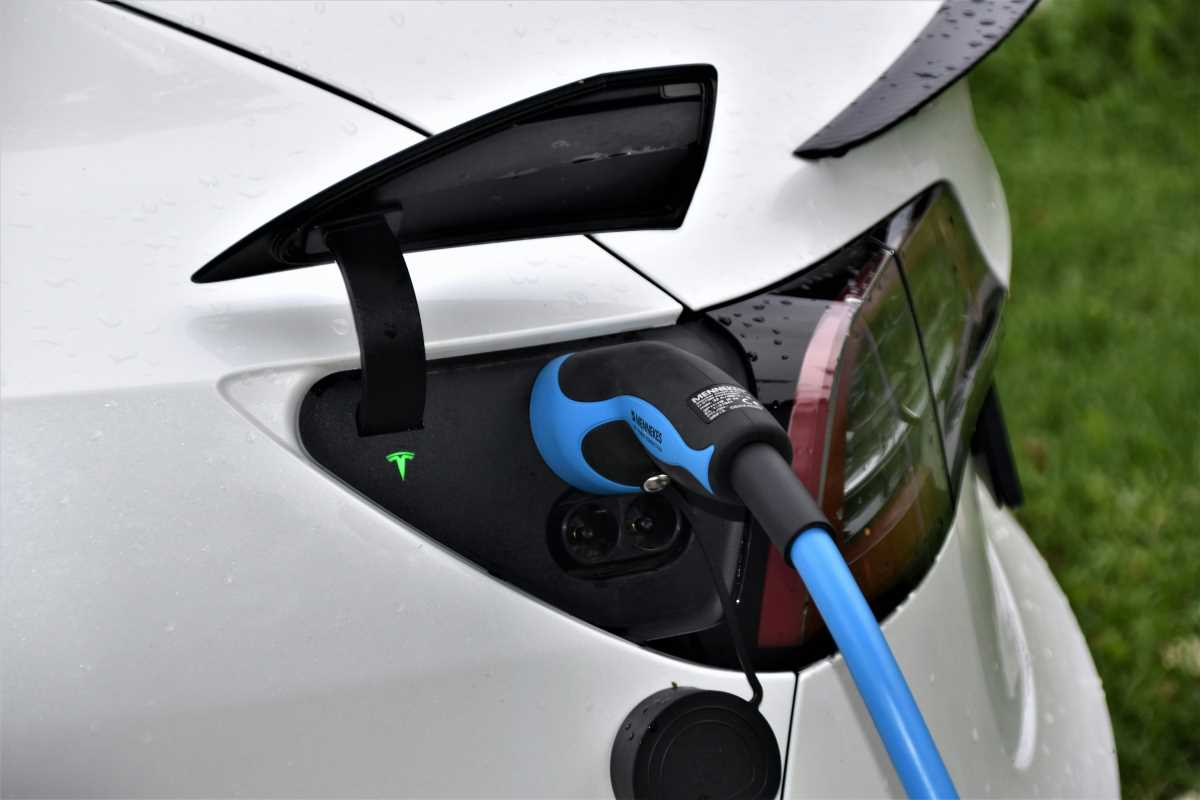
- Manufacturing Quality Control: There is a massive difference between a legacy automaker that has been stamping steel for 100 years and a tech-heavy startup. Although startups like Tesla have improved significantly, they often deal with "fit and finish" issues that older brands solved decades ago.
- Shared Platforms: When a manufacturer uses the same engine or chassis across five different models, they get really good at building it. It also means parts are cheaper and mechanics know exactly how to fix them. If your car uses a "one-off" engine designed specifically for that model, prepare your wallet for a shock.
Hidden Costs, Complexity, Tech, and Parts Availability
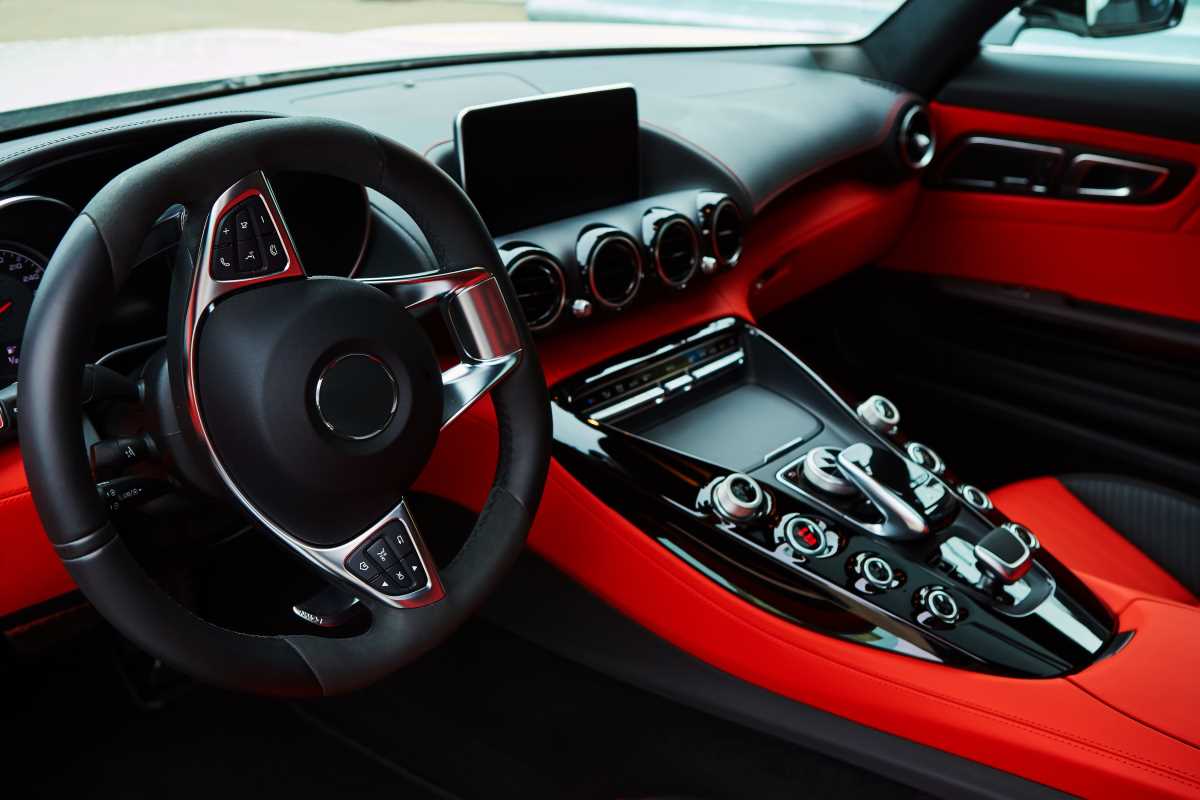
We’ve entered an era where your car is basically a rolling laptop. Although that’s great for Netflix at a charging station, it’s a nightmare for your repair bill. In-car electronics are now the number one trouble area for modern vehicles.
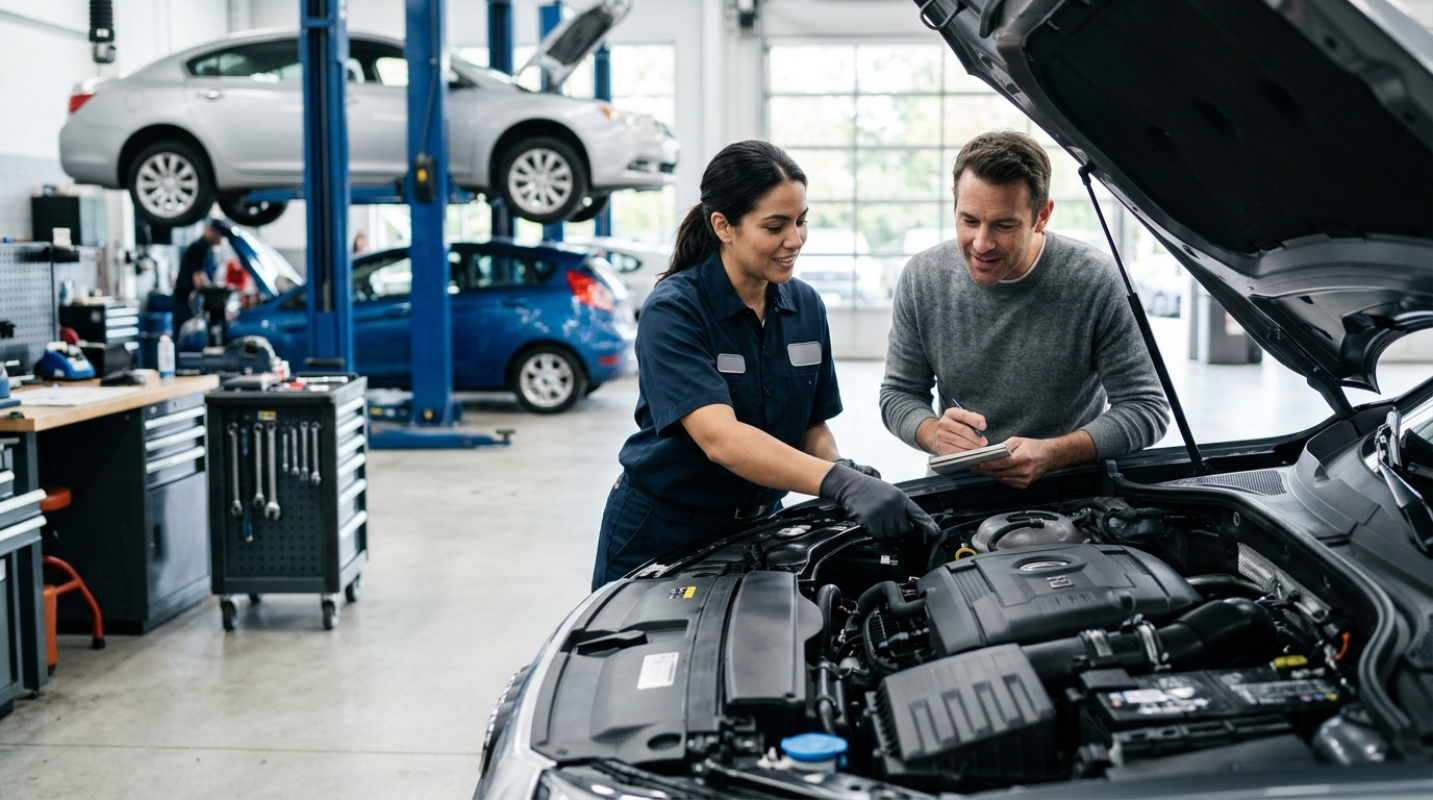
Have you ever looked at the price of a modern headlight? It’s not just a bulb anymore. It’s a housing filled with LED arrays and sensors. A minor fender bender that used to cost $500 can now easily hit $3,000 because you have to recalibrate the Advanced Driver Assistance Systems (ADAS).
Then there’s the "parts ecosystem." If you buy a brand with a limited supply chain, you might wait weeks for a simple bracket to arrive from overseas. Meanwhile, labor rates are climbing. In 2025, the average cost for a single repair visit hit about $838 due to a shortage of technicians and rising parts costs.²
The Human Factor Maintenance Habits and Ownership Experience
You can buy the most reliable car in the world and still ruin it in three years. Think of preventative maintenance like brushing your teeth. If you wait until you have a cavity to start brushing, it’s too late.
- Driving Habits: If you’re constantly "flooring it" or slamming on the brakes, you’re accelerating the wear on every bushing, bearing, and brake pad.
- Environmental Factors: Do you live in the "Salt Belt"? If so, your car’s undercarriage is fighting a war against corrosion every single day. Reliability in Arizona looks very different from reliability in Maine.
- The Psychological Impact: There is a documented "satisfaction paradox" in the car world. Some people own cars that are technically unreliable but they absolutely love them. Why? Because the car makes them feel something. But for most of us, the stress of a car that might not start is a major drain on our daily happiness. Reliable transportation is a form of self-care.
Evaluating Reliability Data Before You Buy
Don't just trust the salesperson. They want to move metal. You need to look at the hard data. Organizations like Consumer Reports survey hundreds of thousands of owners to see what’s actually failing.
- The First-Year Rule: Never buy the first year of a new generation. Let the "early adopters" deal with the recalls and the software bugs. By the third year of production, the factory has usually figured out the kinks.
- Check the Powertrain: If you want the lowest headache factor, look at a traditional hybrid. If you want the lowest 10-year maintenance cost, Tesla leads the pack at around $4,035 because they don't need oil changes or complex transmissions.
- Look for the "Uninspiring" Winners: Cars like the Toyota Corolla Cross or the Nissan Sentra might not win a drag race, but they are built to last. Sometimes the "boring" choice is the smartest financial move you'll ever make.
This article on seerater is for informational and educational purposes only. Readers are encouraged to consult qualified professionals and verify details with official sources before making decisions. This content does not constitute professional advice.