 (Image via
Every tenth of a second can make a difference on the track, and maintaining a bike in optimal condition turns into an enjoyable task rather than a burden. Begin by gathering your tools, a cleaning rag, and a checklist to stay organized before heading to the track. Following a regular routine not only boosts your confidence but also helps you notice potential problems right away. By inspecting the same parts each time, you catch small issues before they grow into bigger setbacks. This habit keeps your bike running smoothly and lets you focus completely on the thrill of racing.
Keep a log of what you inspect and how you adjust parts. That history helps you understand patterns, like when chains stretch faster or when forks start to feel stiff. Over time, this habit saves you from unexpected breakdowns during crucial laps.
Necessary Pre-Race Inspection Rituals
Every rider customizes their wrench-and-flashlight routine to match their style, but some basics stay the same. Start with a clear workspace and good lighting. Visually check frame welds, bolt torque, and fluid levels first. If something looks off, investigate further without skipping steps.
Run through each system before hitting the grid. For example, twist the throttle, apply the brakes, and bounce the bike on its suspension stands. A quick walkaround reveals if a hose rubbed against something sharp or if a switch feels loose.
- Torque-control wrench for critical fasteners
- Chain alignment tool for precise tracking
- Tire pressure gauge with racing-friendly scale
- Spare fuses and zip ties for on-the-fly fixes
Engine Tuning Techniques
Tuning an engine involves more than turning a couple of screws. You set the air-fuel ratios, spark advance, and throttle response to match track conditions. Using a piggyback ECU or standalone unit allows you to make adjustments on the fly, letting you feel the difference lap by lap.
Use dyno sessions and data logging to avoid guesswork. Read wideband oxygen sensor logs, identify where the mixture runs rich or lean, and retune jets or injectors accordingly. Fine-tuning these details gives you sharper throttle response and smoother power delivery, especially when exiting tight corners.
Suspension and Brake Maintenance
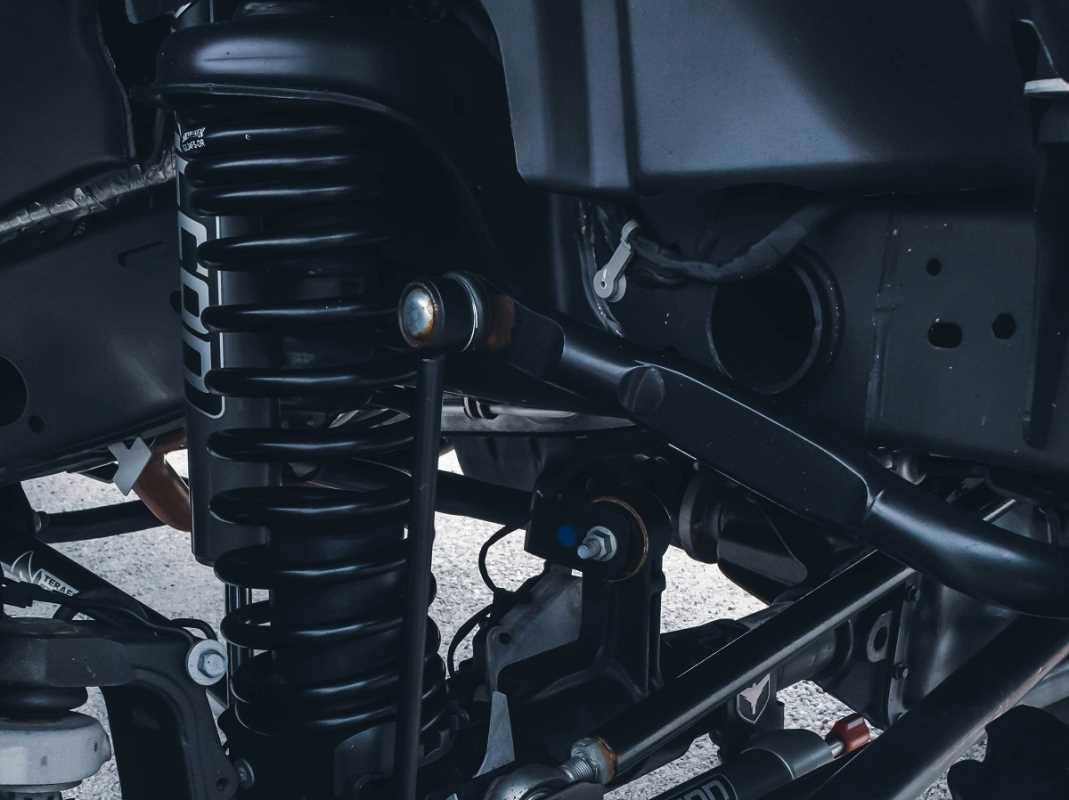
Feel how suspension and brakes respond under your control. If forks feel harsh or the rear shock wallows, you lose valuable stability. Check seals and bushings for wear. Change oil every season or after major events to keep damping consistent. Fresh fork oil reduces chatter and improves feedback.
Bleed brake lines with fresh fluid, ideally before a big race. Air bubbles reduce pedal feel and braking power. Inspect pads for even wear and replace them if you notice glazing or cracking. Use semi-metallic or sintered compounds for high-temperature tracks.
Care for Tires and Selecting the Right Rubber
Selecting the right tires makes a bigger difference than upgrading other parts. Know the track temperature, asphalt texture, and how long you plan to ride. Soft compounds offer better grip but wear faster, while medium or hard compounds last longer but may sacrifice initial grip. Conduct a few test sessions with different tires to learn where each one performs best.
Use a small air compressor with a regulator to set pressures within tenths of a psi. Cold pressures differ from hot, so prime your gauge with a few strokes. Record your pressure changes in a notebook.
- Check cold psi before warming up
- Measure hot psi after a few hot laps
- Use tread wear indicators to identify uneven contact
- Apply rubber temperature stickers for corner-specific info
Perform Routine Fluid Checks and Replacements
Fuel, coolant, fork oil, engine oil, and brake fluid require regular checks. Racing heats things up, and fluids break down faster. Use fresh engine oil to combat wear, and install a high-quality oil filter to trap microscopic particles that could damage engine parts. Change oil every few races or according to the hours recommended by the manufacturer.
Flush coolant systems to remove sediment and prevent hot spots. A clean cooling jacket keeps temperatures predictable when you push hard. Additionally, use DOT 4 or DOT 5.1 brake fluid rated for high boiling points to prevent fade during repeated stops.
- Drain old fluid completely
- Refill with recommended fluid type
- Bleed brake lines to remove air
- Run the system to check for leaks
Safety Equipment and Ergonomics
Riding fast requires attention to how you sit, grip, and shift. Adjust footpegs and handlebars to match your build. This creates a more natural posture, reduces fatigue, and improves reaction times. Use a snug but comfortable seat pad, and check your boots for tread wear or sole separation before every ride.
Inspect your full-face helmet, gloves, and suit for damage or stitching issues. A small seam failure can lead to serious injuries at high speed. Replace gear at the first sign of damage or compromised integrity.
Adopting these practices helps you build a bike that responds accurately and remains reliable. Trust in your Proprietary bike allows you to focus on riding faster and more confidently.